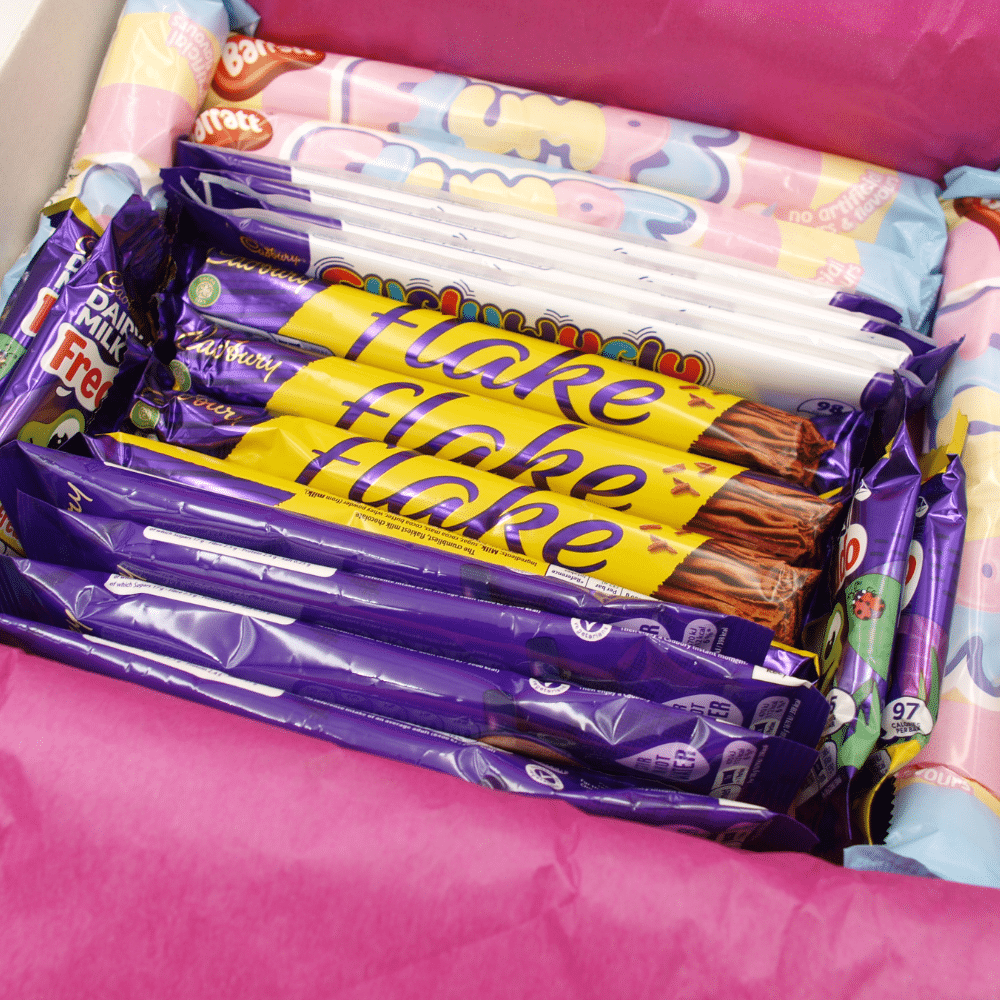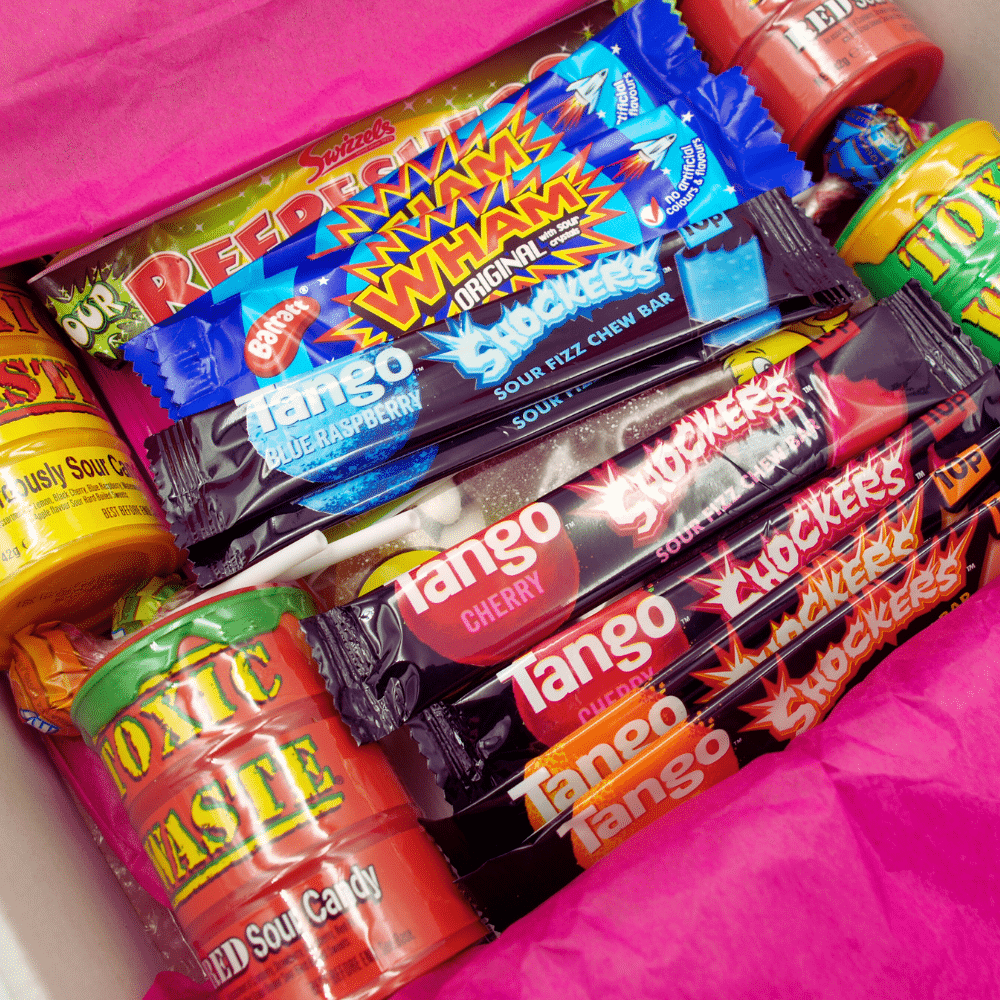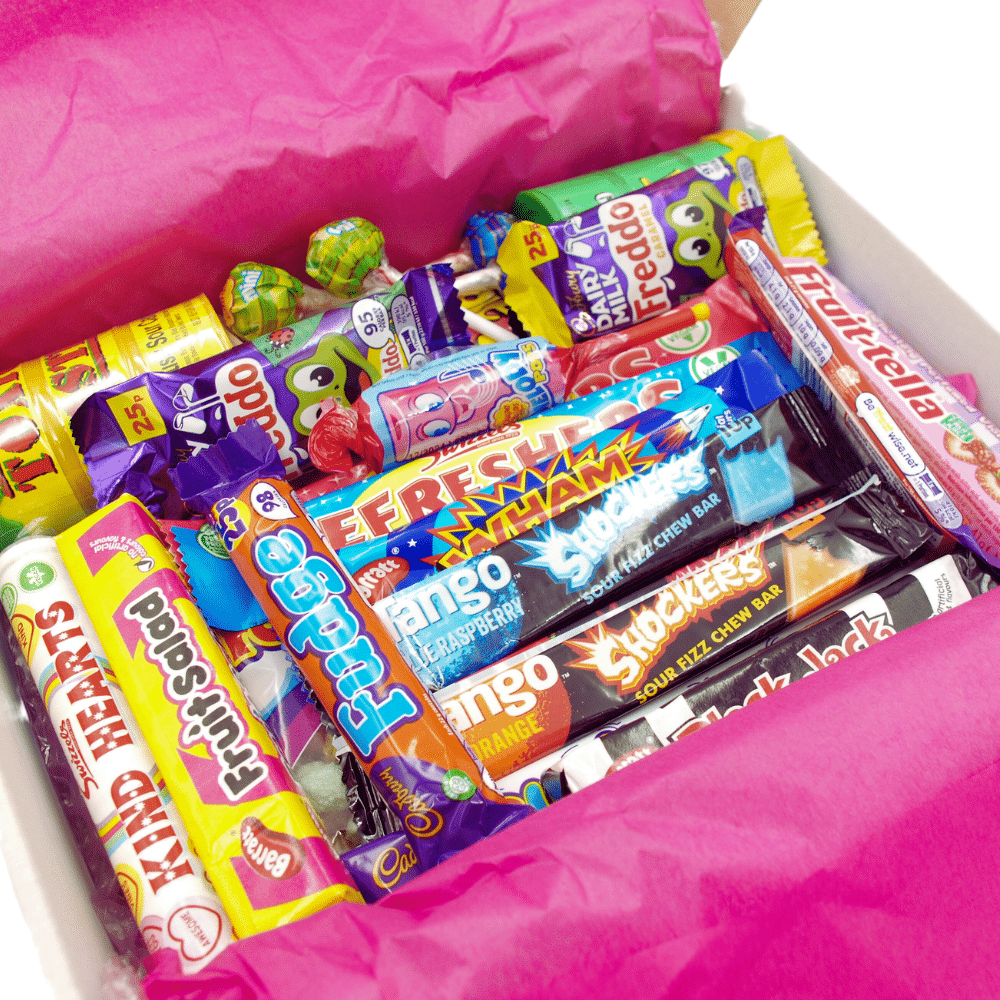
Does taste, like an unforgettable kiss, come back to haunt you, even though sometimes, like the most deeply felt of kisses, it’s better for your health to keep them contained to the dusty store cupboards of one’s memory? Lately, I have had some unexpected food cravings – not owing to any early signs of pregnancy, but rather a deeply held fondness or nostalgia for sugar snacking. This secret penchant for Wagon Wheels and Battenberg has left me rather curious as to why some tastes, or at least their memory, make you smile fondly and keep you wanting more. Maybe it’s the hidden pleasure factor; I had a mother who was firmly against pre-packaged food and very much into home cooking, so there’s certainly an element of forbidden-fruit desire for me personally, though I am not alone in the treasuring of such small triumphant pleasures. As it turns out, chocolatier William Curley and the gentlemen behind fine food deli Melrose and Morgan have taken this British fondness for sweet-toothed childhood treats to a whole new level, with no florals or grannies in sight (though of course, I love both). They have respectively re-created two British institutions; William Curley has put together a selection of nostalgic favourites, based on reminiscences from his own childhood, “I remember as a child spending my pocket money on Mars Bars and Marathon Bars (or Snickers as they are now known). I craved, like most children, the sweetness of this confectionery mixed with the chewiness of the caramel and the crunch of the peanuts”. Melrose and Morgan have taken the Battenberg recipe from grandmother Melrose and updated it for their own kitchen. Nick Selby (the Melrose of Morgan and Melrose) says, “Ian and I both have memories of baking at home and also gorging on shop bought delights such as Battenberg and Custard Creams when we were small. Battenberg is just one of those cakes that makes us all smile and takes us back – and nostalgic baking certainly seems to resonate with our customers. Of course, back then it had a tiny hint of the ‘plastic’ about it and now, with top quality marzipan and our own apricot jam, its a bit more grown-up and even more of a treat!”
A great deal of taste, for me, is married with that in-the-moment feeling, of eating and remembering deliciously when I last ate that pleasurable morsel. In E.E. Cummings, words: “Almost anybody can learn to think or believe or know, but not a single human being can be taught to feel…the moment you feel, you’re nobody but yourself.” So with this, my added guest for a sweet trip down memory lane would be Bourgogne Rouge, Au Pelson. Its not the tipple recommended by the wine experts at Berry, (they suggested a more sweeter accompaniment), but my personal choice would be a burgundy. This particular wine was created in 2004 when David Clark left his job as a track-side engineer in Formula One racing to follow his own personal affection for making great Burgundy, and this one can be purchased from Berry Bros & Rudd. If this piece finds you hankering for childhood treats without the poor cardboard quality, we have recipes for both home-made Jaffa cake and Battenberg for you to marvel over, courtesy William Curley and Melrose and Morgan.
JAFFA CAKE
Génoise sponge, orange marmalade, orange ganache coated in dark chocolate
Orange Marmalade:
400g Seville oranges (about four)
1 lemon
1 litre water
800g white sugar
1 tsp soft dark brown sugar
Method:
- Wash the oranges in water.
- Zest the pith of the orange into long strips with a peeler.
- Cut away any white off the zest and then finely slice the zest, and place into a muslin cloth.
- Slice the oranges and lemon and place all of the juice, pith and flesh into a heavy saucepan. Add the water, sugar and the muslin bag.
- Simmer for about two hours until the pith is tender.
- Pick out the bag with the zest and leave to drain on a plate.
- Line a colander with a few layers of muslin and tip the contents of the pan in. Leave to strain for an hour. Squeeze out all the liquid as this contains the pectin that sets the marmalade.
- Return the liquid to the pan and add the zest from the muslin cloth.
- Bring to the boil and cook until it reaches 104°C and cook for 5 minutes.
- Leave to cool.
Génoise makes: 1 60x40cm baking sheet
175g Egg whites
175g Sugar
210g Egg yolks
175g Flour
Method:
- In a mixing bowl, slowly whisk the egg whites gradually add the sugar and increase the speed to form a stiff meringue.
- Gradually add the egg yolks.
- Add the flour, mixing carefully.
- Spread carefully onto the black fleximat.
- Bake at 180°C for 18-20 minutes.
- Allow to cool.
Orange ganache:
1000g Orange juice
1/2g Vanilla pod
90g Inverted sugar
250g Toscano 70% dark
50g Cocoa mass
Method:
1. Split and scrape the vanilla pod.
2. Boil the orange and vanilla, reduce to 400mls.
3. Add the invert sugar to the orange juice and re-boil. Cool to 65-70°C. Strain and remove the vanilla.
4. Finally chop the chocolate. Melt over a bain marie to approximately 45°C.
5. Gradually add the orange juice to the chocolate, mixing continuously to form an emulsion.
6. Allow to set.
Orange Dust:
- Using a micro plane zest 2 oranges.
- Sprinkle the zest on a silpat mat lined tray and dry in a cool oven 100°C for 2-3 hours.
- Allow to cool.
- Place in an air tight container.
Tempered 65% dark chocolate
To assemble:
- Cut 5cm discs of Génoise place on a tray.
- Spoon the ganache into a piping bag with a 8mm plain nozzle.
- Carefully pipe a ring of ganache around the edge of the sponge.
- Spoon the marmalade into the centre of the sponge.
- Using a dipping fork, dip into the tempered chocolate.
- Decorate with the fork and sprinkle with the orange dust.
MELROSE AND MORGAN BATTENBERG CAKE
Makes x 2 Battenberg
Ingredients:
350g Butter (room temperature)
350g Caster sugar
350g Organic self-raising flour (sifted)
6 Free range eggs (room temperature)
2 drops Natural red food colouring
3 drops Natural yellow food colouring
1kg Best quality neutral marzipan
6 tbs Best quality apricot jam (warmed)
Equipment needed:
Two 20cm x 15cm x 4cm Battenberg tins (we use Silverwood.com)
Method:
- Cream the butter and sugar in an electric mixer until light, smooth and pale.
- Add the eggs to the mixer one by one.
- Add the sifted flour and continue mixing.
- Once combined, weigh the batter and divide in half.
- Colour one half with the red colouring and the other with the yellow.
- Line two Battenberg tins with paper, covering the bottom and the sides.
- Pour the mixture into the tins and bake at 180 °C for 50-55 minutes
- Put the cake into the fridge until cold and firm, then slice off the top crust.
- Trim the cakes so that they are all the same size and when fitted together make a nice square.
- Alternate the colours of the cakes so that you have one pink and yellow at the bottom and then pink on top of the yellow and yellow on top of the pink.
- Warm the apricot jam and glaze the sides of the cakes that will be touching so as to stick them together.
- Roll the marzipan in to a square rectangle, the correct size to fit the cake (use the tin as a guide).
- Brush the marzipan with the glaze, and starting from one side, wrap the marzipan over the cake ensuring that the sides are pressed firmly and that it is stuck to the cake without any air bubbles.
- Chill the cake again for 10 minutes before slicing into generous slices (chilling will allow you to handle the cake and get a clean slice).
- If you only want to make one cake then you can freeze down the cooked sponge for next time.
Compliment your own retro snacking session the morning after with something bright and vintage to drape around the neck. We love the below, taken from Scarves, by Nicky Albrechtsen and Fola Solanke (Thames & Hudson) £35.00